Apples were plentiful in the Iowa countryside growing up. My Mother would also can or freeze apples for use during the year. This is a simple, country Apple Crisp that is easy to make any time of year. Dollop with a little whipped cream and enjoy.
APPLE CRISP
4 to 6 medium cooking apples
1/3 cup sifted all purpose flour
1 cup oats, uncooked (quick or old fashioned)
1/2 cup firmly packed brown sugar
1/2 teaspoon salt
1 teaspoon cinnamon
1/3 cup melted margarine
1/2-3/4 cup water
Peel, core and slice apples. Place in greased baking dish with a bit of water. Combine dry ingredients, add melted margarine, mixing until crumbly; sprinkle on top of apples.
Bake in preheated moderate oven (375 degrees) for 30 minutes or until apples are tender.
Serve warm or cold with your favorite ice cream or topping.
Posole (puh-SO-lay) is a dried hominy stew that I first experienced when I lived in Arizona in the late ’80s. Having Iowa roots and a true affection to anything corn, I was drawn to this wonderful, comforting Mexican stew. It’s not that much different from the hominy my Mother served in her Iowa farm kitchen. Posole is known to bring good luck for the New Year, or anytime you need a little luck (or just plain comfort food) in your life.
Bring in the New Year with a little luck and Posole. Your tummy will thank you!
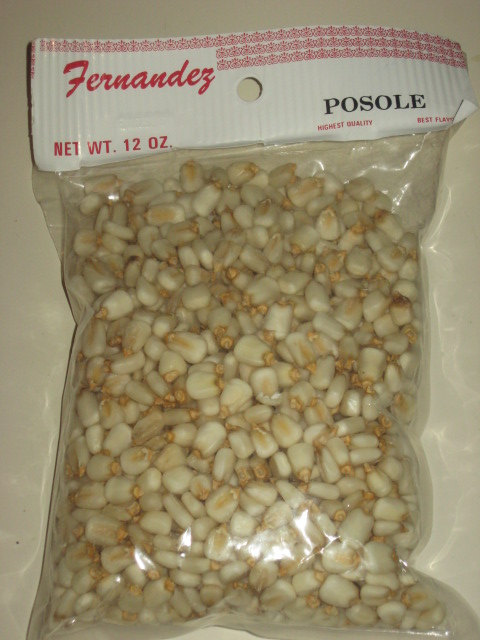
Dried Posole (hominy)
POSOLE
2 cups dried posole
6 cups water (more as needed)
1 pound lean pork, cubed
1 teaspoon chile caribe
1 tablespoon minced onion
2 teaspoons salt
1 clove garlic
dash oregano
1 teaspoon saffron (optional and I do not use)
avocado slices for garnish
Brown pork cubes in a small amount of olive oil until starting to brown.
Browning Pork Cubes for Posole
Add water and add dried posole, chili caribe, onion, garlic, oregano.
Cover and cook over low heat until done (4+ hours). Check often and add water as needed. Add salt immediately before serving. Garnish with avocado slice. Serve with guacamole and chips, hot sauce or any other Mexican favorite sides.
Kolaches originated in the Slovak countries and our Smaha family brought this Bohemian tradition to America when they immigrated to Iowa in the late 1800s. This tradition has been passed down in our family for many generations. Kolaches are wonderful any time of the year but especially wonderful at Christmas. My family tradition is to have them Christmas morning while we are opening gifts and sipping coffee or hot chocolate.
Christmas Morning and Kolaches 1987
This picture was taken in Christmas morning 1987 with my Mother, Mother-In-Law, and oldest daughter, Megan. Let the Kolache feast begin!
My all-time favorite Kolache is cherry. This season I was fortunate to buy a large container of fresh frozen tart cherries that I’ve been saving for Kolache filling this Christmas. Other years, I have used canned cherry pie filling. I have made Kolaches from old-fashioned sweet dough recipes but a new favorite is the sweet dough recipe for the bread machine. In a pinch, I have used frozen bread dough, even though not sweet, is very good.
Traditional Kolache come in many flavors including the timeless Bohemian prune or poppy-seed fillings. My Mother’s Kolaches were fabulous and we waited with excitement while they baked, poised to snatch one as soon as they came out of the oven.
Everyone’s Kolaches are a tad different. My Mother didn’t add the crumb topping to her Kolaches but a wonderful farm neighbor, Nellie, made Prune Kolaches with crumb topping in her old wood stove. You haven’t lived until you’ve had Kolaches from a wood cooking stove. My Aunt Lora, baked Kolaches that she pinched closed at the top and sprinkled with sugar. Equally wonderful.
Wishing all of you a wonderful Christmas and many cherished family traditions.
SWEET BREAD DOUGH (FOR BREAD MACHINE)
1 1/2 teaspoons dry yeast
4 cups bread flour
1 teaspoon salt
4 tablespoons sugar
2 tablespoons butter
2 eggs
1 cup less 1 T. water
All ingredients should be at room temperature. Add the ingredients in the order listed above.
Run the machine through the dough cycle. Remove and work on floured board to desired loaf, rolls, etc.
CHERRY FILLING
1 1/2 cups sugar
4 tablespoons cornstarch
3/4 cup juice from cherries
3 cups pitted tart red cherries (water pack)
1 tablespoon butter
1/4 teaspoon red food coloring
Combine 3/4 cup sugar with cornstarch. Stir in cherry juice.
Cook over medium heat, stirring occasionally, till mixture thickens and bubbles; cook 1 minute longer. Add remaining sugar, cherries, butter and food coloring and cook until thickened. Mixture will be very thick. Let stand while preparing bread dough for Kolaches.
PREPARING THE KOLACHES:
Pinch a piece of dough about the size of a walnut (or ping pong ball) and place on a greased baking pan. Cover with wax paper then a towel and let rise until double in size. When risen, push centers of balls down and fill with cherry filling (or filling of choice). Let rise again and bake at 400 degrees.
KOLACHE CRUMB TOPPING (Optional)
1 cup flour
1/2 cup sugar
1/4 cup butter or margarine
1/4 teaspoon salt (omit if using margarine)
1/4 teaspoon cinnamon
Mix all ingredients together (use a pastry blender) until crumbly and use as a topping for Kolaches or coffee cakes.
When I was a little girl, my Mother and I would visit our elderly Norwegian friends, the Butlers, and feast on amazing home-baked goods. Anna would make Norwegian Kringla (pictured above), Lefse (potato flatbread), and other delights. I loved everything, but my favorite was Kringla. My Mother learned to make it and the recipe below is well over 100 years old. It quickly became a Christmas tradition and I’ve made it for my family. This year is no different. The slightly sweet dough with the slight anise taste is truly a delight. Kringla paired with a hot cup of coffee or hot chocolate is heavenly.
Think I’ll head to the kitchen for a hot chocolate and a Kringla….YUM!
KRINGLA
I usually double the recipe and freeze several to enjoy long after the holidays are gone.
1 egg 1 cup sugar 1/4 teaspoon Anise Extract 2 tablespoons melted butter 1/2 cup buttermilk 1 cup sour cream 1 teaspoon baking soda 1 teaspoon baking powder 4 cups flour
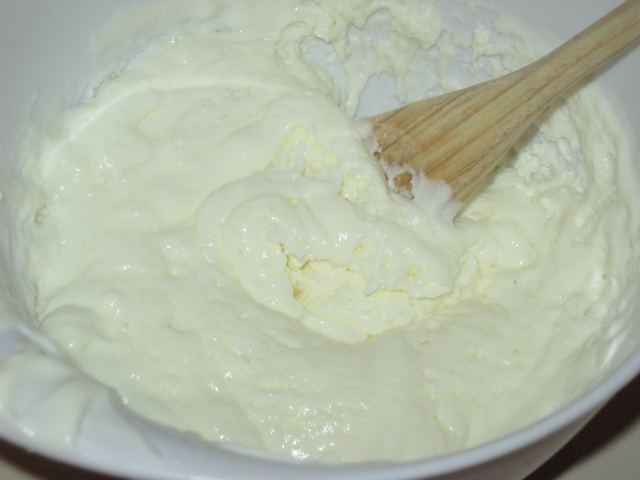
Beat egg and sugar together. Add anise extract, melted butter, buttermilk and 1/2 of sour cream.
Kringla Step 1 ingredients blended together
Mix 1/2 teaspoon baking soda with remainder of sour cream and let sit for about 5 minutes.
Sour cream and baking soda after 5 minutes
Mix together flour, baking powder and remaining 1/2 teaspoon baking soda.
Mix together flour mixture alternately adding egg mixture and sour cream mixture.
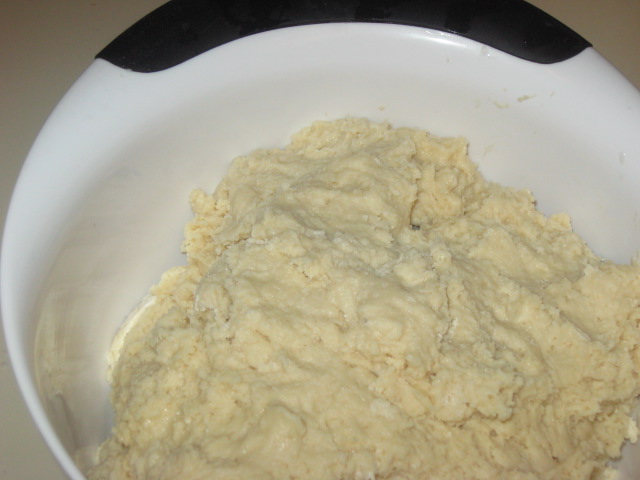
Dough will be very stiff and you will need to finish mixing with your hands.
Kringla dough
Chill dough overnight. Remove 1-2 cups of dough at a time so the dough remains chilled. Take a small piece of dough (size of a small walnut) and roll into a ball and then into a pencil shape. Shape the dough into a pretzel shape and place on a greased cookie sheet.
Kringla Rolled into BallDough rolled into pencil shapeKringla shaped and ready for the oven
Bake at 425 degrees for 5 minutes on the bottom rack of the oven and then on top rack of oven for 2-3 minutes. Bottom of Kringla should be golden brown–tops may not be brown. (I have found that every oven is different. Mine tends to run hot so I decrease the amount of time on the bottom shelf to 3 minutes.)
Cool and store in airtight container. Great warm with butter and a cup of coffee or hot chocolate.
My Mother was very adventurous in her rural Iowa kitchen. She loved to cook traditional Bohemian dishes from my Father’s family; German, Dutch and Norwegian dishes from friends and family.
I don’t know where my Mother discovered Kumla but it is a hearty dish that will warm the cockles of your heart. A mandatory nap following consumption of Kumla may be appropriate. It all begins with homemade ham broth. Potato dumplings are made from raw, grated potatoes and boiled in the broth. Traditionally, the dumplings are dipped in a dollop of butter.
While I have eaten Kumla for 50+ years, I did not know the history. After surfing the web, I learned it is a traditional Swedish/Norwegian dish often served during the holidays with butter or with lingonberry.
KUMLA
peeled potatoes, ground with fine grinder
salt
1 egg
1/4 to 1/2 teaspoon baking powder
flour
Place ham in a large pot and cover with water. Bring the water to a boil, reduce heat, and simmer the ham about 2 hours. Remove the ham, and skim any foam off the broth. I like to cool and the refrigerate the broth overnight and skim off any fat before proceeding.
Finely grate or grind potatoes. Sprinkle well with salt and work through potatoes. Let set 5-10 minutes. Press moisture out by placing potato mixture into a sieve to remove the starch. Discard starch.
Kumla–grating the potatoes
Add egg and baking powder. Work in all the flour that you can until firm and not sticky.
Kumla–roll into small balls
Drop by teaspoon full in boiling ham broth in heavy metal pot. Cook on low heat for 45 minutes to an hour. Test Kumla by cutting one in half.
Serve hot. Traditionally we dip dumplings in butter. Even better when they are warmed up!
Perhaps Kumla will become a favorite for your family! If you are already a Kumla lover, what is your story?